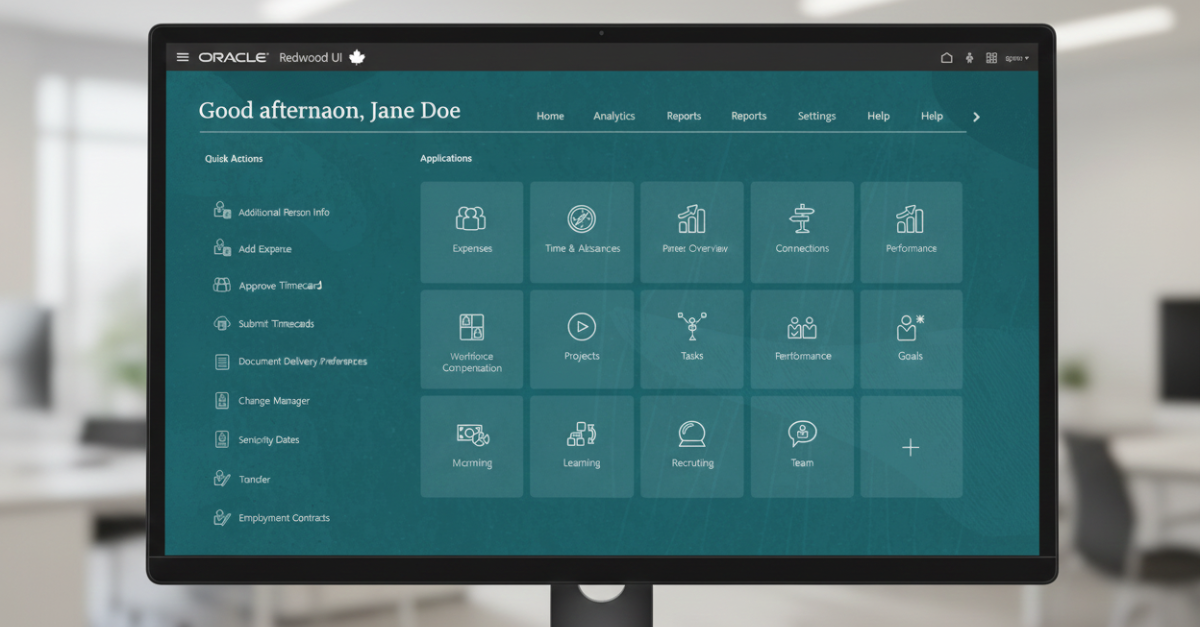

User experience is no longer just about navigation and screen layouts—it’s about making every interaction intelligent, responsive, and insightful. Oracle’s Redwood UI represents a major leap in that direction. As Oracle rolls out Redwood across its cloud applications, businesses—and partners like Trinamix—are helping customers embrace this transformation.
Let’s explore how Redwood UI is evolving, how it differs from the classic Oracle UI, and how AI is playing a central role in this journey.
What is Redwood UI?
Oracle Redwood UI is Oracle’s next-generation design and user experience standard for all its cloud applications—covering ERP, SCM, PLM, HCM, CX, and more. It blends clean design, intuitive layouts, AI-driven assistance, and mobile responsiveness—all wrapped into a visually consistent experience across modules.
It’s not just a facelift. Redwood is a complete redesign of how users interact with Oracle Cloud.
How Redwood UI Differs from the Previous Oracle UI
Feature Area | Classic UI | Redwood UI |
Look & Feel | Legacy, transactional, text-heavy screens | Modern, clean, card-based layouts with richer visual hierarchy |
Navigation | Multiple menus, non-intuitive tabs | Intuitive, context-aware navigation with fewer clicks |
Search | Form-based search with limited filters | Conversational and AI-powered search with predictive suggestions |
AI Integration | Minimal or bolt-on AI | Native AI across the experience: Smart Recommendations, Summaries, Guided Actions |
Extensibility | Sandbox-based personalization | Visual Builder Studio (VBS) based extensions |
Device Responsiveness | Limited mobile responsiveness | Mobile-first design with seamless cross-device experience |
Accessibility & UX Standards | Mixed adherence | Fully aligned with modern UX and accessibility standards |
The AI Impact – Making the UI Intelligent
One of the biggest shifts with Redwood UI is the native infusion of AI into user workflows:
- Conversational UI: Users can interact with Oracle Cloud using natural language prompts and voice commands.
- AI Summaries: AI can summarize supplier documents, contracts, purchase orders, and even service requests.
- Predictive Insights: Whether it’s forecasting demand, highlighting exceptions in the supply chain, or recommending next steps—AI drives user decisions inside the UI.
- Generative AI: Redwood leverages Oracle’s Fusion AI and generative AI capabilities to help users auto-draft emails, PO notes, work order summaries, and more.
These changes go beyond cosmetic updates—they redefine how users engage with enterprise data and processes.


How Trinamix is Enabling Customers on the Redwood Journey
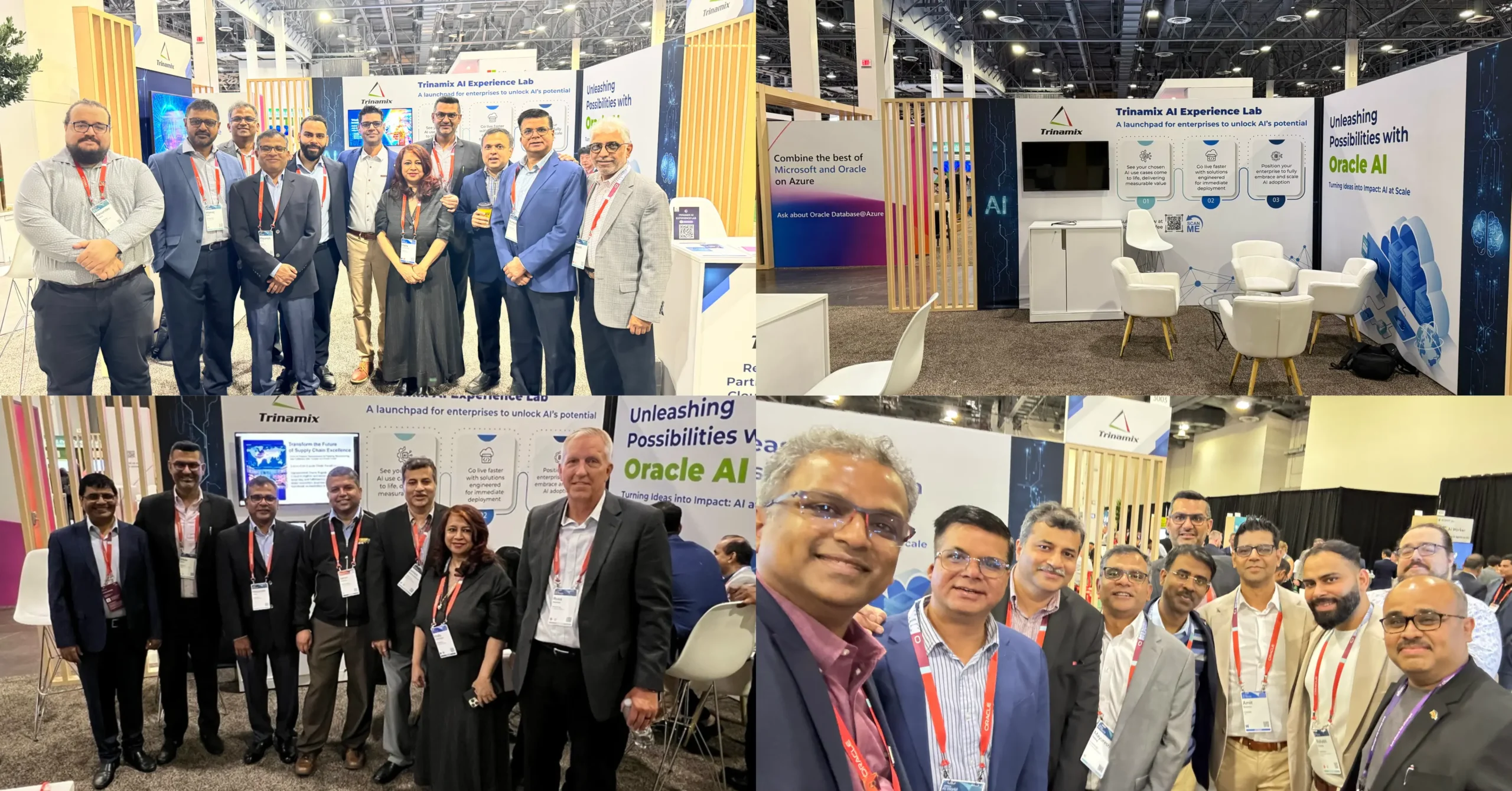
At Trinamix, we’ve been at the forefront of helping enterprises adopt Oracle Redwood UI across different cloud modules.
Here’s how we’re making an impact:
- Redwood-Ready Implementations: Every new Oracle Cloud project we deliver—from Supply Chain Planning to PLM and Manufacturing Cloud—is already designed with Redwood UX in mind.
- AI-Powered Extensions: Leveraging Redwood with Oracle Visual Builder Studio (VBS), we build AI-driven extensions—like intelligent dashboards, conversational supply chain summaries, and smart supplier portals.
- Redwood Testing & Readiness Assessments: For existing Oracle customers, we help audit legacy customizations, run Redwood readiness checks, and deploy UI upgrades with minimal disruption.
- Training & Change Management: We conduct Redwood-specific training workshops—ensuring that end-users can embrace the AI-powered features and new navigation flows.
The Rollout Timeline: What Businesses Need to Know
Oracle is rolling out Redwood UI in phases across different modules:
- Self-Service Procurement: Mandatory after 25C release
- HCM & Time and Labor: Full adoption targeted by mid-2025
- SCM and Manufacturing: Rolling adoption expected through 2025–2026
Organizations should proactively start testing Redwood features and plan their transition accordingly.
Redwood UI + AI = The Future of Enterprise Workflows
The combination of Redwood UI and embedded AI is helping businesses move from:
- Manual tasks ——– Intelligent automation
- Static dashboards ——– Dynamic, insight-driven interfaces
- Form-based searches ——– Conversational, AI-driven queries
For Oracle Cloud customers—and for partners like Trinamix—this transformation offers an exciting opportunity to streamline operations, enhance decision-making, and deliver better user experiences across the enterprise.
Final Thoughts
The shift to Redwood UI isn’t just a UI upgrade—it’s the foundation for the next wave of AI-powered enterprise workflows.